
Menu
Getting teens to engage with the Bible can be a challenge. Competing with social media, video/computer games, and busy schedules, the Bible may not naturally top their priority list. When I began teaching Bible class, I started to wonder how to get teens to read the bible.
We know the power that God’s word has in our lives and can have in the lives of our students – so our job is to help spark their interest and guide them into discovering the richness of God’s Word for themselves. There are many ways to effectively get teens to read the Bible. Different strategies work with each group of students. It seems like each year, I use a different variety of strategies and activities.
Teens love stories—especially ones filled with action, emotion, and relatable lessons. The Bible is packed with stories like this, from the courage of Joshua to the creation of the world.
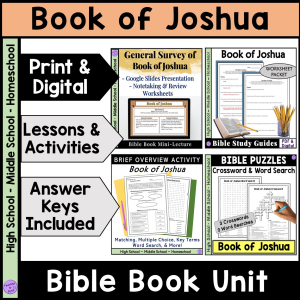
These activities about the book of Joshua offer questions and worksheets that delve into the story of Joshua, a leader who displayed bravery and faith while guiding Israel into the Promised Land. Teens resonate with themes of leadership and overcoming challenges, making Joshua’s story a great starting point.
Tips for Teaching Joshua:
– Highlight relatable themes, such as courage and perseverance.
– Create role-playing scenarios where students “lead” like Joshua.
– Use the study questions to spark class discussions.
Middle schoolers often feel intimidated by the Bible’s length or its deeper theological concepts. Simplify their experience by using structured, easy-to-follow materials.
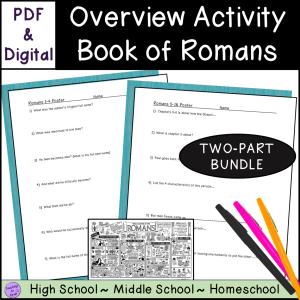
The Book of Romans may seem complex, but this resource helps make it accessible through these review worksheets that explain key themes like grace and salvation. This activity helps students process the content step-by-step, building their understanding and confidence.
Tips for Teaching Romans:
– Focus on core themes, such as God’s love and forgiveness.
– Use visual aids like timelines and word maps to summarize chapters.
– Assign small sections of reading, paired with reflective questions from the worksheet.
Games are a fantastic way to make the Bible fun and engaging for teens. They encourage participation, teamwork, and critical thinking while reinforcing biblical content.
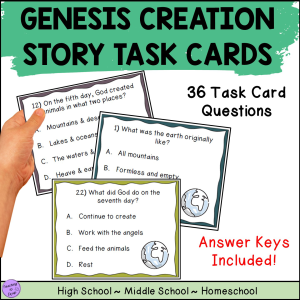
This interactive game uses task cards to explore the Creation story in Genesis. Students can play individually or in teams, answering questions, solving puzzles, and diving into one of the Bible’s foundational stories.
Tips for Incorporating Games:
– Use task cards as part of a lesson or for a quick review.
– Add a competitive edge by rewarding teams with small prizes.
– Discuss the meaning behind each task card’s question to reinforce learning.
We are all more likely to read the Bible if they feel a personal connection to it. Help them see how Scripture applies to their lives today.
How to Build Connections:
– Ask open-ended questions like, “How would you feel if you were in Joshua’s shoes?”
– Encourage journaling or prayer reflections after reading a passage.
– Pair Bible stories with modern-day scenarios to show relevance.
For example, after studying the Creation story, ask students to reflect on the wonder of nature and how they see God’s work in the world around them.
Teens thrive in social settings. Group activities can make Bible reading more engaging by allowing them to learn together.
Ideas for Group Activities:
– Collaborative Reading: Assign small groups to read and summarize different parts of a chapter.
– Group Projects: Have students create a visual representation of the Creation story or a map of Joshua’s journey.
– Discussion Circles: Use the Romans review worksheets as prompts for group discussions.
Encouraging middle schoolers to read the Bible is a process. Start with small, consistent steps. Getting teens to read the Bible isn’t just about academics; it’s about planting seeds of faith that can grow for a lifetime. Using engaging resources can make that journey exciting, interactive, and deeply meaningful. With the right approach and engaging resources, we can inspire students to explore Scripture, understand its relevance, and grow in their own faith.
Remember His grace for you as Teaching to Equip our students is hard, but holy work!
– Jamie
Click here to see over 600 resources to help your students learn scripture!

Hi! My name is Jamie. I have a degree in Bible & Theology and Youth Ministry and a Masters in Teaching.
I’ve worked with middle & high school students since 2002, and enjoy my iced coffee with a little white chocolate!