
Menu
Teaching a Bible class is one of the most meaningful opportunities we have as educators and disciples — not just to deliver content but to shape how students understand Scripture, God, and their own faith journeys. Many teachers and parents feel daunted by this task. A strong framework and intentional structure can remove guesswork, deepen engagement, and help students connect Bible truths to their lives.
Below you’ll find a practical teaching framework you can apply in your classroom or homeschool setting — followed by strategies that support each stage of biblical learning.
Before diving into activities and texts, it helps to have a repeating rhythm you come back to each week:
Prepare with Purpose
Decide why you are teaching the passage this week. What do you want students to understand, feel, and do by the end of class?
Contextualize the Text
Students need more than vocabulary — they need background (historical, cultural, literary) so the passage makes sense, not just sounds familiar.
Engage with Interaction
Use questions, discussions, activities, and guided reading to help students interact with Scripture, not just listen to it.
Apply to Life
Help students connect what they’ve learned to real contexts: decisions, relationships, worship, service, and daily living.
Reflect & Extend
Give students space to reflect, journal, discuss, or complete tasks that reinforce thinking and practice between class sessions.
This repeatable structure becomes a teaching routine — and routines help middle and high schoolers (and parents!) form habits of engaging with Scripture rather than just memorizing facts.
Teaching Bible doesn’t have to be solo work — even in homeschool co-ops or team teaching situations.
– Share Best Practices: Meet with other teachers to discuss approaches, pitfalls, and wins.
– Align Outcomes: Make sure your goals complement other classes or family discipleship rhythms.
– Encourage Mentorship: Let newer teachers or parents observe lessons and swap strategies.
Collaboration improves consistency and reduces burnout — especially when you can build a shared teaching framework together.
Curriculum can be a tremendous asset when it clarifies scope and sequence. But how you use it matters:
– Understand the Structure: Know the flow of units, key passages, and concepts.
– Supplement Thoughtfully: Add questions, visuals, or guided discussions where students might struggle.
– Stay Flexible: Let student responses shape how deeply you explore concepts.
For example, using a Bible study guide that pairs context, comprehension questions, and application prompts helps students think with Scripture rather than just read it. You can also use supplemental activities like task cards and guided readings to make challenging passages accessible and engaging
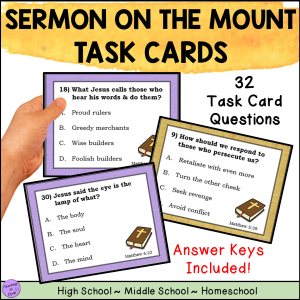
Supplemental activities like these Sermon on the Mount task cards are a great place to start!
The Bible should remain the primary text in your class. Effective Bible teaching isn’t about worksheets — it’s about helping students read, interpret, and apply God’s Word.
– Teach Context First: What was happening, why it matters, what the original audience saw.
– Encourage Personal Study: Assign reading, journaling, or guided questions.
– Highlight Application: Help students see how Scripture speaks to today’s challenges and decisions.
Guided Bible study tools (like verse mapping or structured reading guides) are excellent for helping learners read Scripture thoughtfully and with purpose.
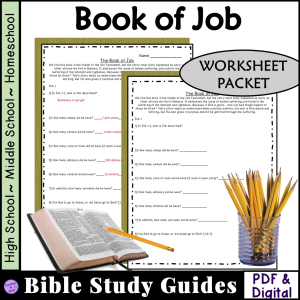
I often will use these Study Guides for students to answer questions as they read through a book of the Bible
Questions and doubts are natural parts of our spiritual growth. Creating a safe environment for these discussions help students to deepen their faith and understanding of scripture.
– Welcome Questions: Students grow by thinking, not memorizing.
– Thoughtful Responses: Admit when you don’t know and then explore answers together.
– Encourage Exploration: Assign readings or activities that help students wrestle with challenging passages.
For deeper engagement, assign projects that require critical thinking and theological reflection:
– Bible Character Studies: choose a biblical figure and explore their faith decisions
– Creative Projects: modern parables, art inspired by Scripture, or dramatizations
– Analytical Writings: essays that connect textual interpretation with life applications
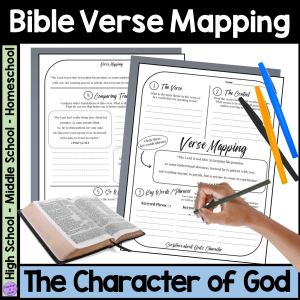
Activities like verse mapping require students to notice context, compare translations, and reflect on meanings which are skills for lifelong Bible readers. An easy assignment I often will use are these Verse Mapping exercises, as they require students to consider the context of each verse and compare different translations.
– Incorporate Prayer: Begin and/or end each class with prayer, inviting God’s guidance and presence into class that day. It is a great way to model this important practice to our students.
– Use Multimedia Tools: Leverage videos, music, and online resources to bring lessons to life.
– Celebrate Growth: not just correct answers — deeper understanding and spiritual curiosity matter most
Knowing how to teach a Bible class involves more than delivering lessons—it’s about nurturing our students’ faith journeys by creating a classroom environment that inspires spiritual growth and lifelong engagement with God’s Word.
Teaching a Bible class is more than delivering content. It’s about creating a learning environment where Scripture speaks and students learn to listen. A strong framework (Prepare → Contextualize → Engage → Apply → Reflect) helps you teach with clarity and intentionality each week.
Remember His grace for you as Teaching to Equip our students is hard, but holy work!
– Jamie
Click here to see over 700 resources to help your students learn scripture
Hi! My name is Jamie. I have a degree in Bible & Theology and Youth Ministry and a Masters in Teaching.
I’ve worked with middle & high school students since 2002, and enjoy my iced coffee with a little white chocolate!